
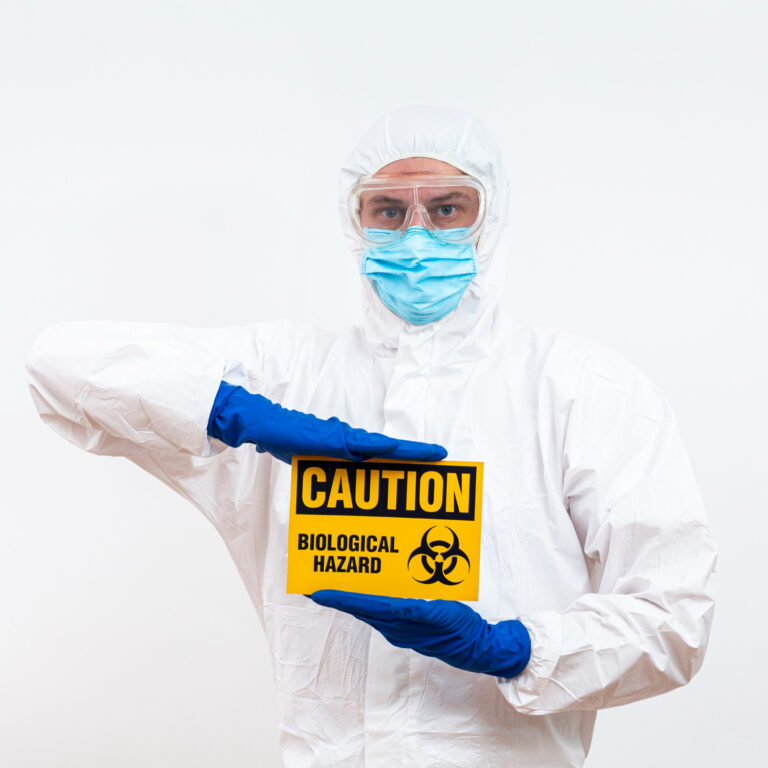
When it comes to cleaning up biohazardous materials, protecting oneself from potential dangers is essential. Think of it like a construction worker wearing a hard hat and steel-toed boots; personal protective equipment (PPE) is just as crucial for anyone dealing with biohazard cleanup. This gear is the shield that stands between workers and potentially harmful substances. Imagine handling a substance without the right gear. It could be dangerous and downright risky. That’s where understanding the role of PPE comes into play. It’s not just about safety; it’s about ensuring the job is done right while minimizing health risks.
Located in Athens, Sentry Restoration specializes in these situations, understanding all the ins and outs of handling biohazards safely. Their expertise goes beyond just knowing the types of PPE needed; they bring a deep understanding of its practical application in real-world scenarios. Whether cleaning after an unfortunate incident or managing the aftermath of a chemical spill, they prioritize safety, using their knowledge to ensure environments are restored without compromising anyone’s well-being.
Essential Personal Protective Equipment for Biohazard Cleanup
When dealing with biohazards, a variety of PPE is employed to ensure safety. Here’s a look at some key components:
1. Respirators: These are essential to protect the respiratory system from airborne particles that could be harmful if inhaled. They come in different types, with some filtering out specific contaminants and others providing a seal around the face. Workers rely on these to keep harmful particles out of their lungs.
2. Protective Clothing: This includes suits, gloves, and boots designed to prevent skin contact with biohazardous materials. Suits are usually made from impermeable materials, creating a barrier against fluids and contaminants. Gloves offer protection for hands, and boots help ensure no hazardous substances are brought out of the workspace.
3. Eye Protection: Goggles or face shields are vital for preventing exposure to harmful substances that could splash or become airborne. Protecting one’s eyesight is crucial, as even a tiny drop of a chemical can cause significant harm.
Each piece of equipment plays a crucial role in maintaining safety during biohazard cleanup tasks. Just like a knight’s armor, PPE provides comprehensive protection, helping workers navigate potentially dangerous scenarios safely. It’s this gear that keeps them safe while allowing them to carry out their duties effectively.
Specific Uses of PPE in Different Biohazard Scenarios
Each biohazard scenario brings its own set of challenges, so workers must use specific PPE for different situations:
– Handling Bloodborne Pathogens: When dealing with blood or bodily fluids, it’s key to use gloves, gowns, and sometimes face shields to avoid contact. These items ensure that no skin is exposed to potentially infectious materials.
– Dealing with Chemical Hazards: Chemical spills require particular attention. Workers should wear gloves and suits that resist chemical penetration. Respirators are important when dealing with fumes to protect the lungs from noxious gases.
– Managing Decomposition: Dealing with decomposition involves both odor and potential exposure to harmful bacteria. Full-body protective suits and masks with odor and particle filters are needed. This setup helps block out strong odors and bacteria that the air might carry.
Each piece of PPE is carefully chosen to suit the type of hazard and environment. This tailored approach ensures that workers can safely conduct their tasks without compromising their health.
Proper Use and Disposal of PPE
Using PPE correctly is as vital as choosing the right gear. Knowing how to put on and remove each item properly prevents contamination. For instance, gloves should always be removed by turning them inside out, a practice that keeps any contaminants trapped inside the glove.
Disposal is another critical step. PPE used in biohazard cleanup must be disposed of in designated hazardous waste containers. This prevents any cross-contamination or accidental exposure. In some cases, items may need decontamination before disposal, especially if reuse is necessary.
These steps ensure that workers remain protected throughout the process, reinforcing the safety protocols that are paramount in biohazard situations.
Training and Certification for PPE Use
A big part of effectively managing PPE involves proper training and certification. Professional training ensures that workers know exactly how to use, maintain, and dispose of PPE in compliance with safety standards.
Certification is a mark of a worker’s ability to effectively handle biohazardous materials. Continual education keeps workers updated on the latest safety practices and technological developments in equipment.
This commitment to training ensures that every individual is prepared and confident in their role, minimizing risks and promoting a secure working environment.
Safety and Expertise in Biohazard Cleanup
PPE is more than just protective clothing; it’s an entire system designed to safeguard against the unseen dangers in biohazard cleanup. These layers of protection, combined with proper protocols, make all the difference in ensuring worker safety. When these practices are followed, the cleanup process is not only safer but also more effective.
Understanding and using PPE correctly is essential for anyone dealing with biohazard cleanup. With professional training and the right equipment, those involved can focus on restoring environments with precision and care. Handling each situation knowledgeably and responsibly helps maintain the health and safety of both workers and the environments they work in.
Protective gear and proper protocols are key in any cleanup project. Whether you are dealing with water damage or related emergencies, ensuring a safe and effective process is vital. For those in need of expert services from Sentry Restoration, our biohazard cleanup expertise in Athens can help maintain safety and integrity during challenging tasks.