
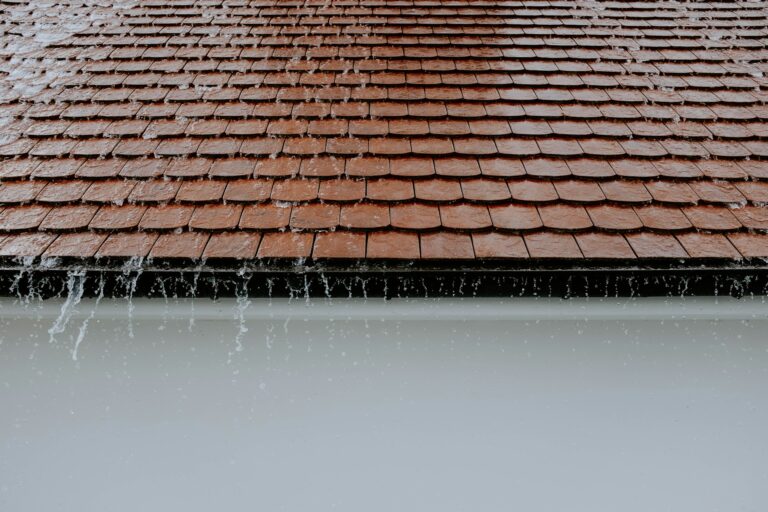
Fall rainstorms in Northeast Georgia can develop rapidly, bringing heavy rainfall that tests your home’s defenses against water intrusion. When your property lacks proper weatherproofing, water can penetrate through vulnerable points in your roof, gutters, and exterior. Once moisture enters your home’s structure, even minor issues can quickly escalate into significant damage that requires costly repairs.
Proactive preparation before the storm season arrives is crucial for protecting your investment and preventing avoidable water damage. Around Athens and the nearby towns, fall storms can bring heavy rain, followed by the first cold nights of the season. It’s not just about staying dry. It’s about making sure water damage, mildew, or even mold or busted pipes don’t catch you by surprise. This guide points out what to watch for and explains why calling in a professional can save time and worry. At Sentry Restoration, we help get homes fall-ready the right way.
Your Roof: The First Line of Defense Against Fall Storms
The roof is your home’s first defense against fall storms. Sometimes, what looks like a minor issue from the ground, a loose shingle or a small gap, can become trouble fast when rain starts pouring in. Rain doesn’t need much space to sneak in, especially when it’s pushed by wind from a fall thunderstorm.
Often, people don’t know they have a roof problem until they notice a stain on the ceiling or a musty smell coming from the attic. By then, moisture could be trapped behind walls or settling into insulation. That trapped dampness is when problems start to grow behind, like indoor air that feels heavy or the early stages of mold.
A good roof inspection goes beyond just looking for missing shingles. Professionals check flashing, seals around vents, and the overall condition of your roofing materials. They know the places where leaks love to hide, like around skylights or where tree branches rub the surface.
If your home hasn’t had a roof check in a while, fall is the best time. Sentry Restoration uses thermal imaging to find hidden spots where water can get in without having to do any roof damage. Catching those trouble spots before the season’s big storms is the best way to prevent water from causing headaches later.
Clean and Secure Your Gutters to Keep Water Flowing
Gutters are often overlooked until they cause a problem. When leaves drop and pile up, water gets blocked. The next big rain leaves water spilling over, running down outside walls, or pooling by your foundation, and that’s where bigger trouble can start. Water finding its way along a foundation or inside crawl spaces can wreck flooring and foster mold.
Clearing gutters isn’t just about removing the leaves you can see. It’s about making sure all parts of the system are tight and set to carry water away from the house. Bent, loose, or rusted-out sections will not direct the flow where it needs to go, and water has a way of finding those weak spots. Professional crews can spot loose hangers, cracks you’d miss from the ground, or places where gutter seams are starting to fail.
Sentry Restoration provides complete gutter checks and repairs. They don’t just clear debris, but also look for hidden issues like loose downspouts, joint separations, or standing water pockets that can lead to leaks. Before the season gets too far along, having this checked can prevent costly water damage and structural issues that can develop when drainage systems fail.
Watch for Early Clues of Water Intrusion
Water damage often begins subtly, without obvious warning signs. Sometimes, it’s just a musty smell or a wall that feels soft to the touch. Maybe you notice bubbling paint, a shadow that looks darker on a ceiling corner, or your basement feels damp even with no visible puddle. These are the first hints that outside water is already sneaking in.
Early clues include:
1. Musty or “old house” smells that won’t go away.
2. Paint peeling or bubbling on walls or ceilings.
3. Floors that feel soft or bouncy near outside walls.
4. Damp patches or staining around windows, doors, or corners.
5. Cracks in the foundation are getting wider or darker after a rain.
It’s tempting to ignore small issues, but they never disappear on their own. Instead, they grow, often in places you can’t see. What starts as a faint odor or a few bubbles beneath paint can turn into structural damage or mold in hidden areas. Water moves to the lowest spot, so sometimes the first sign of a problem is in a crawlspace or behind a baseboard.
The right tools, like moisture meters and thermal cameras, help professionals track down the source of leaks that may be hidden from sight. With experience, restoration experts can spot trouble areas quickly and figure out exactly where the water is coming from. This avoids wasted time and keeps repairs focused where they matter most.
Preventing Frozen Pipes This Fall
In Northeast Georgia, early cold snaps are common in late October and early November. All it takes is a single night of freezing temperatures for pipes to burst, especially if they’re exposed or not insulated properly. The results can be swift. By morning, water is spreading under floors, behind walls, and into crawl spaces. That kind of water damage moves fast, and older homes are especially at risk if pipes haven’t been serviced or checked in a long time.
Prime trouble spots include:
– Pipes running along outer walls or through unheated areas like garages, basements, or attics.
– Outdoor spigots or hoses left attached when temperatures start to dip.
– Older, uninsulated pipes made of metal, which freeze quicker than modern PEX pipes.
A specialist knows how to spot weak areas that might not seem risky during warmer months but can quickly become problems with the first cold snap. They can wrap, insulate, or reroute pipes that look vulnerable. If something happens, quick action is critical for limiting the spread of water and how much you’ll have to repair afterwards. Fast water extraction and structural drying, which Sentry Restoration offers, can prevent lingering moisture from leading to bigger repairs.
Being Prepared Means Having Peace of Mind
Fall storms don’t hold back, and neither should your home’s prep work. Getting ahead of a bad forecast means less stress when dark clouds roll in and more time enjoying the season. Problems usually start small: a missing shingle, a clogged gutter, a forgotten hose on an outside tap, then turn into trouble if rain or a cold snap catches you off guard.
Small steps make a real difference. Scheduling professional inspections for your roof and gutters keeps the first big rain from sneaking water inside. Checking for clues like musty smells or peeling paint lets you catch leaks or dampness before they become a bigger issue. Making sure pipes are wrapped and ready helps your house get through sudden dips in temperature without mess or expense.
If you are concerned about rainstorms or cold snaps putting your home at risk, don’t wait until water is already inside. Taking preventive action now protects your home from costly weather-related damage and emergency repairs. In Athens, a little attention in the fall goes a long way in keeping your home safe, dry, and worry-free.
Call Sentry Restoration for a Full Home Check
If rainstorms or an early freeze sneak up on your home this fall, problems like roof leaks or frozen pipes can turn into big repairs fast. We’ve seen how quickly water spreads once it finds a way in, especially in older houses around Athens and Northeast Georgia.
From clearing gutters to spotting signs of trouble early, small steps now can help avoid bigger issues later. If your home is showing signs of moisture or is at risk for water damage in Athens, let our team take a closer look. Call Sentry Restoration today and get ahead of this season’s storms.