
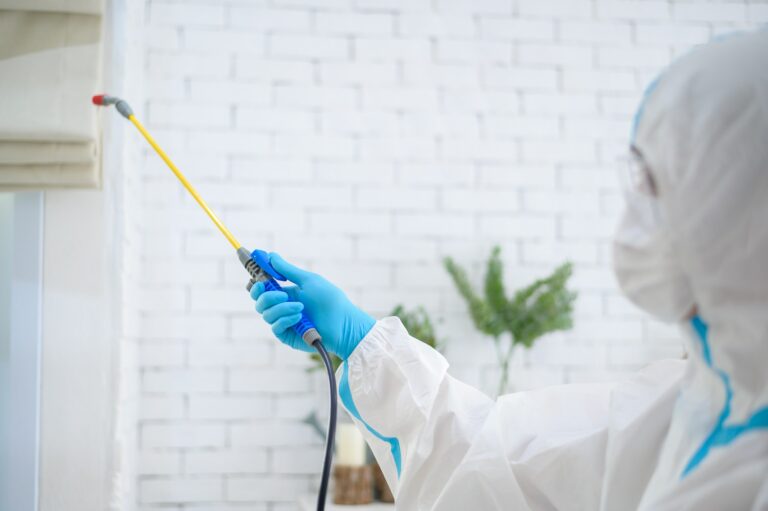
After a disaster strikes your home, it’s easy to see the big damage. Broken windows, soaked walls, and fallen parts of the ceiling. But not every danger is easy to spot. Some are hidden, like harmful bacteria, mold, or other messes that might be unsafe to touch or breathe around. These are called biohazards, and they can make recovery harder if they’re not handled the right way.
From water damage to sewage problems to strong odors you can’t explain, signs of trouble can show up in many ways. When we talk about biohazard cleanup in Athens, we’re talking about work that’s best left to trained crews who know what to look for and where to look. In this post, we’ll go over what kinds of biohazards tend to appear after floods, fires, or pipe breaks, and how families can start to spot the warning signs before things get worse.
Biohazards That Can Appear After Fires, Floods, or Pipe Damage
A biohazard is something that could cause harm just by being near it. You don’t always have to touch it for it to be dangerous. Sometimes just breathing the air in a damaged home is enough to make someone feel sick, especially small children or people who already have health problems.
When there’s any kind of disaster, like a flood, fire, or major pipe break, these problems often follow:
• Water damage can soften materials in the home, making it easier for mold or bacteria to grow.
• Sewage backups can bring waste into the home that carries germs or toxic materials.
• Fire damage can leave behind particles or soot that aren’t healthy to breathe.
During colder months in places like Athens, freezing temperatures can make things worse. Pipes freeze, burst, and pour water into walls or hidden places. That moisture doesn’t always dry fast. A wet area left alone for a few days could become a pocket where mold and bacteria grow fast. That’s why acting early makes a big difference.
We provide professional biohazard cleanup throughout Athens and Northeast Georgia, handling everything from sewage backups to bloodborne hazards and disinfecting affected areas to industry standards.
Places Where Biohazards Might Hide in a Damaged Home
Not everything gets cleaned up the first time someone goes through a damaged room. Some places hold onto moisture or waste without anyone realizing it. That’s when biohazards can start to build up quietly out of sight.
• Water can soak the subfloor under carpets and spread across the structure without a visible trail.
• Damp spots behind walls or above ceilings can grow mold that smells odd but isn’t easy to see.
• HVAC systems can pull in bacteria or mold and blow it through vents into other rooms.
If you smell something musty or sour that doesn’t go away, that could be a sign. Strange stains showing up out of nowhere, soft spots underfoot, or areas where the wall feels damp could also be hints. Trust your senses. If something doesn’t look, smell, or feel right, there may be more happening behind the surface than what’s visible.
Sometimes, biohazards remain hidden because the damage is inside spaces that aren’t used every day, like crawl spaces, unused closets, or attics. Wet insulation tucked away in these areas might not dry out for weeks, letting bacteria and mold continue to grow. If you notice peeling paint, sagging boards, or even feel drafts coming from odd places in your home, these can all be clues that moisture and unwanted mess have settled in. If you clean up an area and still find the same lingering smell a week later, that’s a big sign to consider what might be going on below the surface, between walls, or above the ceiling.
Why Waiting Can Make Things Worse
One of the most common problems after a disaster is the delay. It’s understandable. People are tired, overwhelmed, and just trying to get through each day. But with biohazards, time makes everything more difficult to fix.
• Mold can grow in 24 to 48 hours in the right conditions.
• Bacteria from sewage or moisture can spread as long as there’s something to feed on.
• Odors from fire or water damage don’t stay in one place; they drift and settle in cloth, walls, or vents.
It’s not just big, obvious damage that turns into trouble. Even something that looks like a small leak could mean layers of drywall or flooring are wet underneath. That kind of hidden problem doesn’t stay small for long. Once mold takes hold or bacteria spreads, it becomes much harder to clean safely. That’s why it’s better to stop these hazards early with trained help.
Delaying cleanup after a disaster can do more than just allow mold or bacteria to settle in; waiting also makes cleanup steps more involved and stressful for everyone in the home. In some cases, surfaces can become so contaminated that they need to be removed entirely, which is both a bigger project and adds to recovery time. If a smell keeps getting stronger or starts to spread to other rooms, it is likely a sign that the problem has grown below floors or behind walls where regular cleaning can’t reach. When you act quickly and get professional help, these issues are easier to manage and less likely to spread.
How Professionals Handle Biohazard Cleanup Safely
Getting rid of a biohazard is nothing like a regular cleanup job. It’s not about a mop and a bucket. Professionals use special gear to stay protected and follow steps to make sure nothing dangerous is left behind once they’re done.
• Safety suits and air filters help shield crews from harmful particles while they work.
• They use cleaning products made for dangerous waste, not anything found in the kitchen.
• They check places that most people wouldn’t think to look, such as inside walls or heating vents.
With training and the right tools, crews can get into tight spots or hidden areas where biohazards like mold or waste can be hiding. That matters a lot in places like basements, attics, closets, or crawl spaces. And when it comes to biohazard cleanup in Athens, we’ve learned that the damage after floodwater or burst pipes spreads faster than you’d expect. It’s not the kind of job someone can handle with regular household tools or store cleaners.
Each part of the cleanup is planned and checked so nothing dangerous is missed. We bring in tools that can see, test, or dry out places hidden from view, like moisture meters for walls or special vacuums that trap tiny particles. These extra steps matter, especially in older homes where air might move from one room to another through crawl spaces or vents. Being able to spot and remove hazards completely means your family can get back to daily life more quickly and safely.
Families in the Athens area can rely on our 24/7 response for emergency cleanup, sanitization, and full remediation after hazardous events, following strict safety protocols recognized in the industry.
Restoring Health and Safety to Your Home
Knowing what to look for is the first step in keeping your home safe after damage. We’ve seen how hidden hazards, especially mold and harmful material left behind by water or fire, can lead to bigger problems if they’re left alone too long. That’s why spotting the signs early matters so much. It gives your family a chance to rest easier and avoid further stress.
Taking care of your space after a tough event is never easy, but it helps to know you’re not doing it alone. When you’re ready to move forward, we are here to help make your home feel safe again.
Addressing water, fire, or pipe damage in your Athens, Georgia, home quickly helps prevent hidden risks like mold and bacteria. Serious hazards can develop fast, so it’s smart to let professionals manage the process, especially when it comes to biohazard cleanup in Athens. At Sentry Restoration, we’re prepared to help you restore safety and peace of mind as soon as you’re ready.