Fall is a smart time to get ahead of water problems before they surprise you. When cold weather moves in and rain becomes more common, your home could be more at risk for leaks or water getting in where it does not belong. That is why fall home maintenance matters. A few careful checks now can make a big difference in keeping your space dry and safe throughout the season.
We have put together fall home maintenance tips that help prevent water intrusion, especially around weak spots like roofs, drains, and crawl spaces. These are areas that often get overlooked, but they are the first places water might sneak in when the weather turns cold. Based out of Athens and serving all of Northeast Georgia, we know what signs to watch for and how to step in when fast action is needed.
Check Your Gutters and Downspouts
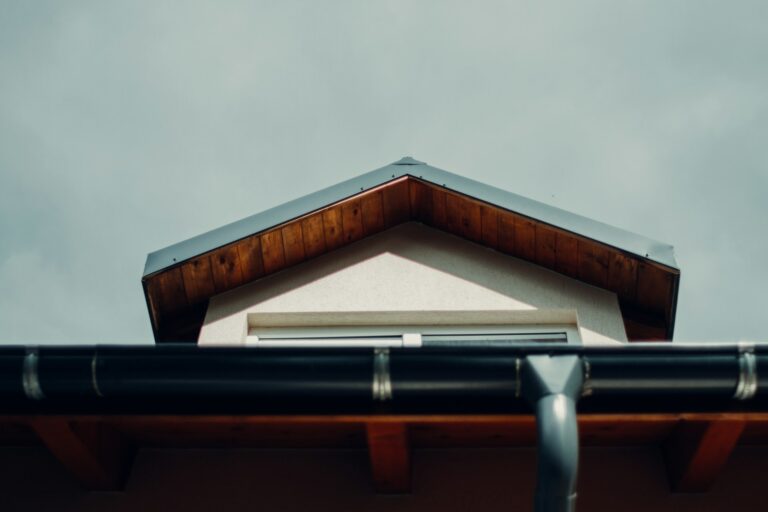
Gutters and downspouts are your home’s first line of defense against heavy rain. When they get clogged or broken, water can spill over the sides and pool near your foundation. That is how trouble starts.
• Clean leaves and debris from your gutters every fall. Even small blockages can cause a backup and lead to leaks.
• Make sure downspouts carry water several feet away from your home. If water is pooling near your foundation, that can lead to long-term damage.
• Look for signs of sagging, loose brackets, rust, or cracks. These issues can prevent water from flowing out properly and may cause extra strain on your roofline.
Even one cracked section or a bent downspout can allow water to collect in places it should not. Fall is the perfect time to check that everything is working the way it should before rainy days become more regular. It is far easier to clean gutters and make minor repairs than to deal with flooding in your basement or crawl space.
Inspect Doors, Windows, and Seals
Gaps or cracks around doors and windows are a sneaky way for water to enter your home. On windy or rainy days, wet air or water can push through those tiny gaps and leave stains or moisture behind.
• Check the caulk and seals around all door and window frames. If the material is cracked or peeling, it is time to fix it.
• Press on the weatherstripping. If it feels loose or does not press back with some strength, it might need to be replaced.
• If you feel a cold breeze on your hand when you hold it near frames, or if you have noticed water marks near windowsills or the floor, those are signs that water might be getting in.
Doors to basements or crawl spaces can be particularly weak spots, especially if they do not close snugly. Staying ahead of these small issues before the first freeze makes a big difference. Sealing up these gaps not only helps with water protection but can also improve your home’s energy efficiency as temperatures drop.
Keep an Eye on Your Roof and Attic
Your roof takes the hit from fall storms, rain, and changing temperatures. Missing or cracked shingles and leaks around vents can allow water to creep inside and spread before you even know there is a problem.
• From the ground, check for shingles that are curling, missing, or look darker than the others. Those can be early signs that water might be making its way through.
• Look in your attic for dark spots, soft wood, or a musty smell. These can all indicate water leaking in, even if your ceiling has not shown signs yet.
• If you see mold, sagging insulation, or damp wood, do not wait; those are early warnings of water damage.
This step ties directly into water mitigation in Athens, as so many fall leaks start from roof trouble that spreads quietly into ceilings and walls. Fixing it early is the key to stopping bigger damage later. Regular visual checks, even from the ground using binoculars, can prevent expensive repairs down the road and help you address potential issues before storms set in.
Protect Pipes Before Freezing Weather Hits
In Northeast Georgia, we know it does not take a blizzard for freezing temperatures to cause damage. One cold snap is enough to freeze pipes and cause them to burst, leading to major water damage overnight.
• Wrap any exposed pipes in garages, crawl spaces, or under sinks with insulation.
• Shut off and drain hose bibs and outdoor faucets.
• If you have plumbing near exterior walls, leave cabinet doors open on the coldest nights to let warm air circulate.
We have seen what happens when pipes freeze and split due to the pressure. The damage goes far beyond a quick patch-up. Keeping pipes protected is not something to skip, especially with colder nights approaching fast. Taking simple preventative measures before the first hard freeze can save you from a sudden plumbing emergency and costly cleanup.
Pay Attention to Basement and Crawl Space Conditions
Basements and crawl spaces are where foundation water damage usually appears first. Because these spots are often out of sight, small leaks can go unnoticed until mold is found or structural issues occur.
• Smell for any musty or damp odor. That alone means there might be a problem.
• Look for puddles, water stains, or jagged cracks along floors or lower walls.
• After heavy rain, pay attention to whether the ground looks wetter than usual or takes longer to dry.
Don’t wait for water problems to catch you off guard this fall. Protect your home and enjoy peace of mind with expert help from Sentry Restoration. Trust our team for thorough water damage restoration in Athens to address weak spots before issues become costly disasters. Reach out today and let us help keep your property secure and dry all season long